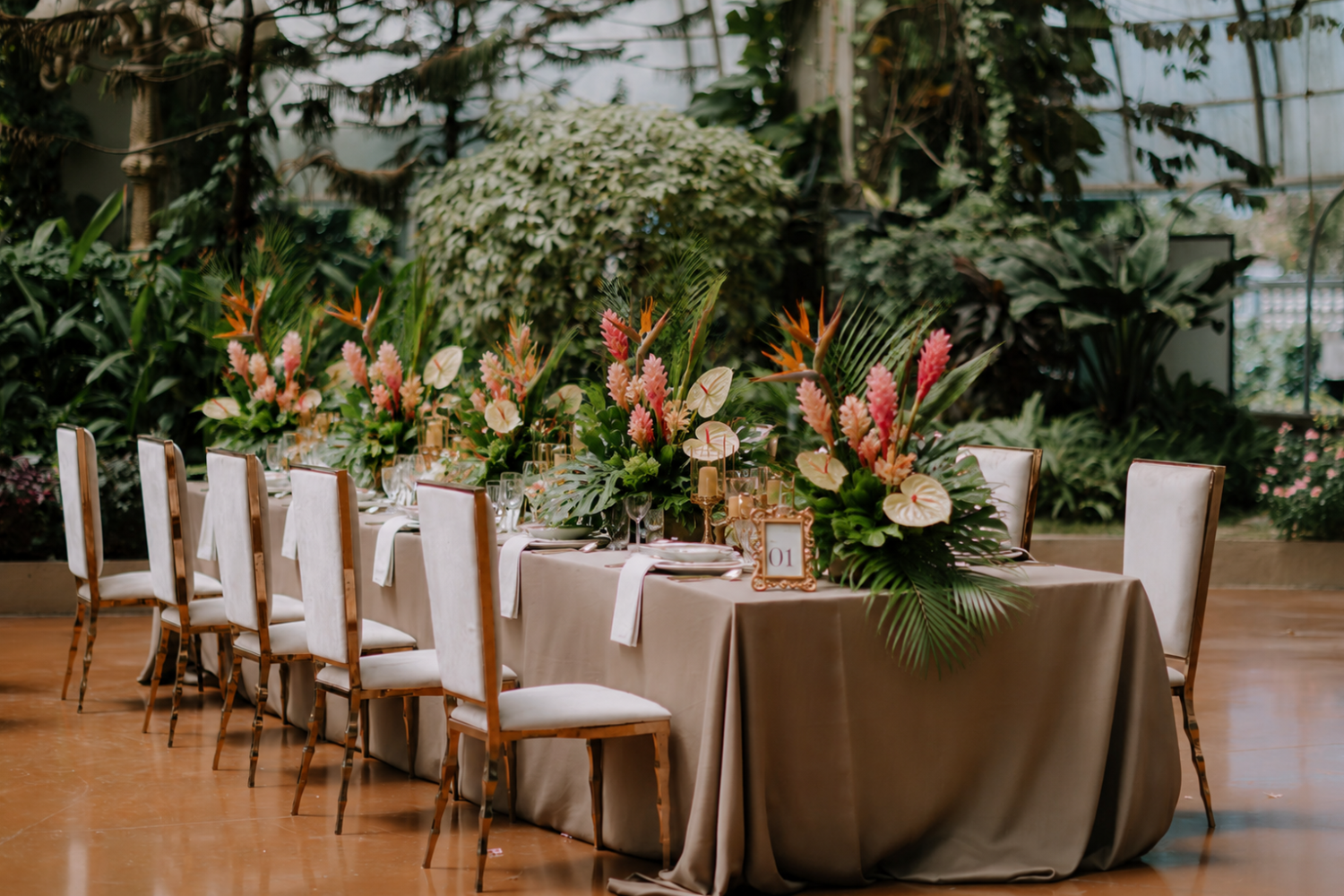
A beautiful venue and a great program matter. But what guests remember most is how the day felt: easy to navigate, comfortable, well-paced, and full of small “wow” moments that didn’t require them to wait, wander, or wonder what’s next.
This wedding guest experience checklist is a practical, step-by-step playbook you can use to design a smooth guest journey. From arrival → ceremony → cocktails → reception → departure, especially for Metro Manila realities like traffic, heat, and tight timelines.
Start With a Guest Journey Map (Not Just a Mood Board)
Before you finalize styling pegs, map the guest journey like an event producer. A simple way to do this is to write the day in “chapters” (Arrival, Ceremony, Cocktail Hour, Reception, Send-Off) and list what guests will see, hear, and do in each.
Define the 3 moments guests will remember most
Pick three “anchor moments” you want guests to talk about the next day. Examples:
- The first impression: the entrance, the welcome, the vibe as they arrive
- The emotional peak: the ceremony (and whether they could see/hear it clearly)
- The celebration peak: the first big reception moment (grand entrance, first dance, or a surprise)
Once you choose your three, protect them. That means building the schedule and layout so these moments aren’t rushed, delayed, or disrupted.
Identify friction points early (traffic, waiting time, lines, heat)
Most guest complaints come from predictable “friction points.” In Metro Manila, the big ones are:
- Traffic and late arrivals (especially weekends and peak months)
- Heat/humidity (even short outdoor transitions feel long)
- Waiting time (ceremony delays, photo gaps, program gaps)
- Lines (registration, restrooms, bar, buffet)
- Confusing flow (guests don’t know where to go next)
Your goal: remove uncertainty. If guests always know what’s next and where to go, they feel taken care of.
Arrival & First Impressions
Arrival sets the tone. If it feels chaotic, the whole day feels stressful even if everything else is beautiful.
Parking, drop-off, signage, and usher roles
Use a simple “arrival system”:
- One clear drop-off point with a visible greeter/usher
- Parking guidance (even a small printed sign or staff member directing cars helps)
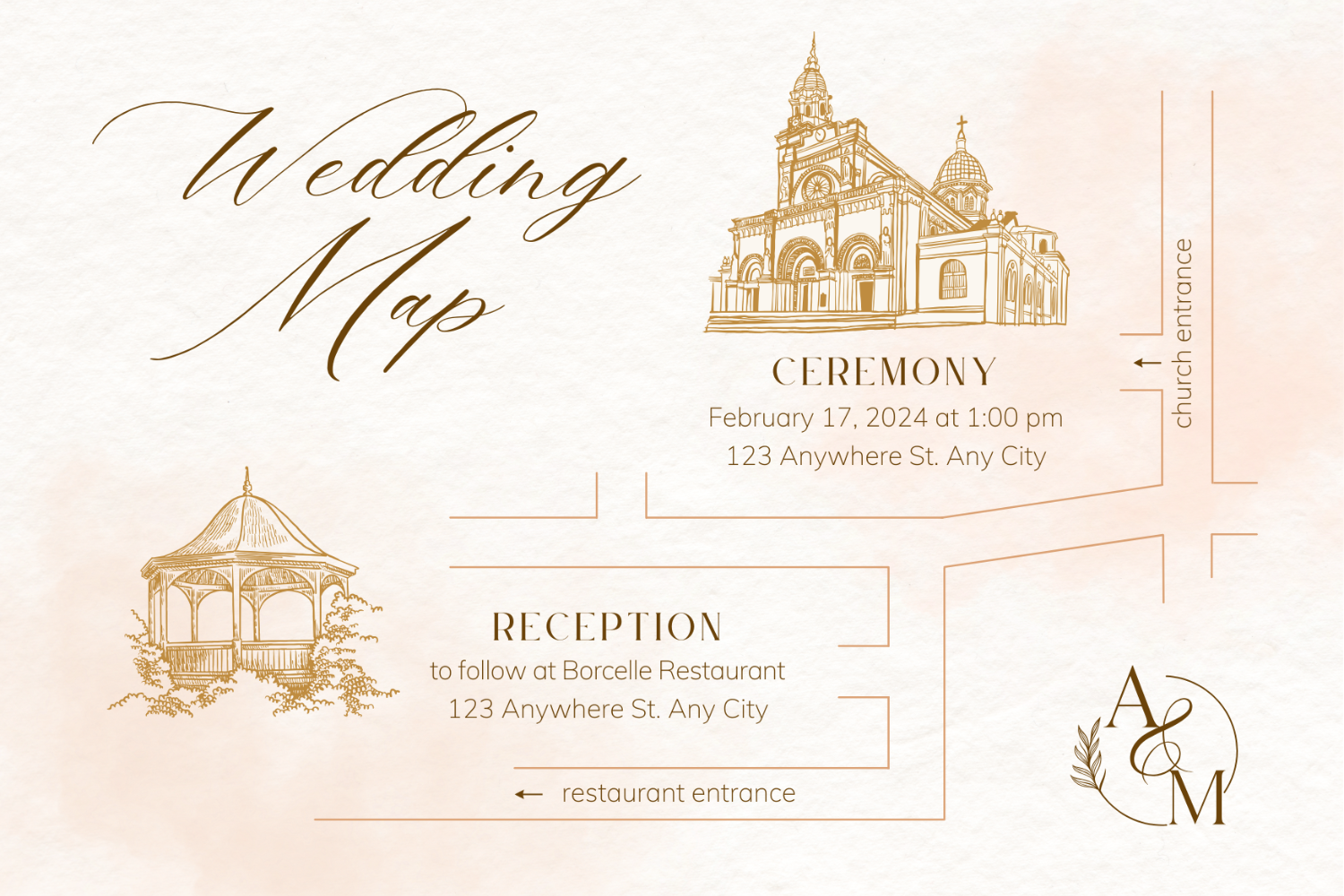
- Wayfinding signage at decision points (entrance, ceremony, restrooms, reception)
- Assigned usher roles (don’t assume “someone will handle it”)
A practical staffing tip: assign ushers to zones (drop-off, entrance, ceremony doors, reception doors) rather than “floating.” Floating becomes invisible.
Welcome drinks + a 15-second “what happens next” script
Guests relax when they’re welcomed with two things:
- A drink or refreshment option (even water feels thoughtful)
- A quick orientation
Create a simple 15-second script for ushers, like:
“Welcome! The ceremony starts at 4:30 PM. Please head this way for seating. Restrooms are on the left. After the ceremony, cocktails will be served just outside the hall.”
It’s small, but it eliminates confusion and reduces late seating disruptions.
Ceremony Comfort & Visibility
The ceremony is the emotional core. Guests don’t need a long ceremony. They need a ceremony they can experience.
Sightlines, aisle length, and audio clarity
Three non-negotiables:
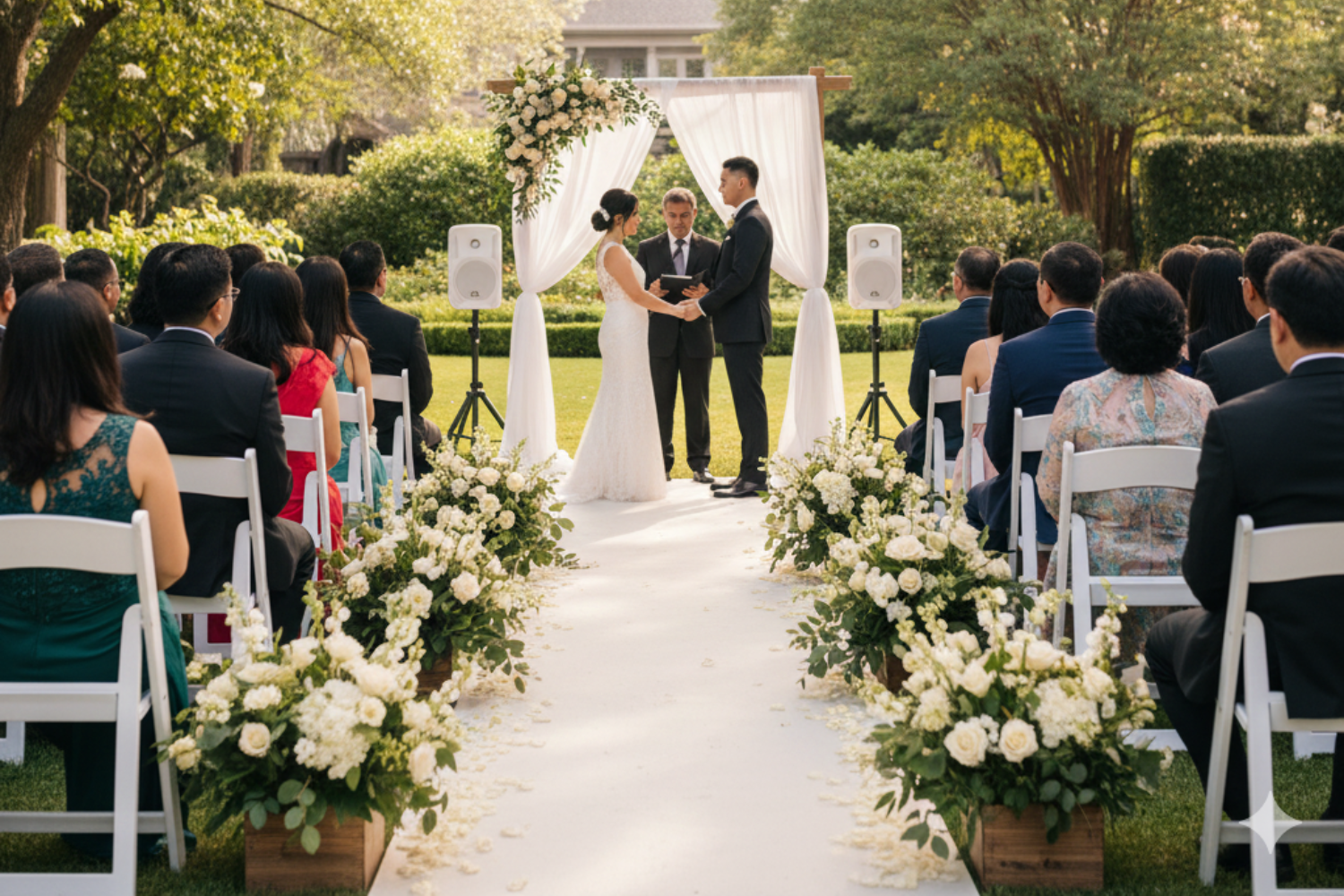
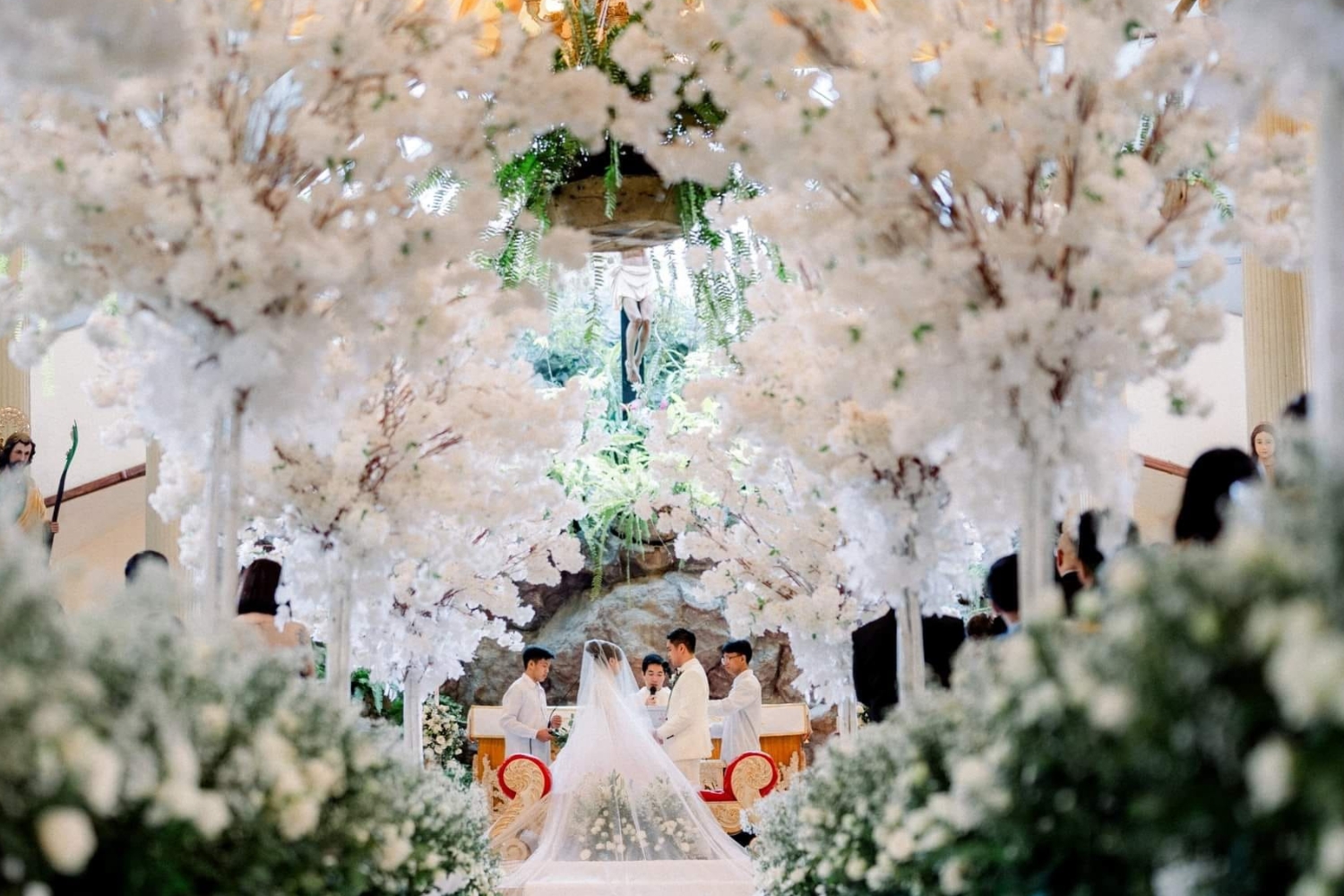
- Sightlines: Avoid tall floral installations that block seated guests
- Aisle length: Long aisles look grand, but they can create delays and awkward pauses. Balance beauty with pacing
- Audio: If guests can’t hear vows, they disconnect emotionally
Quick checks you can do during rehearsal:
- Sit in the back row and confirm you can see faces.
- Stand where key guests will sit (parents, ninongs/ninangs) and test the view.
- Test microphones with real speaking volume (not “soundcheck voice”).
Seating strategy for families, seniors, and kids
A smart seating plan prevents mid-ceremony movement:
- Reserve aisle seats for seniors and guests who may need restroom breaks
- Keep families with small kids near an exit or aisle (so they can step out quietly)
- Avoid placing elderly guests in areas with stairs or long walking distances
If you’re expecting many seniors, consider a “comfort-first” row: easy access, good view, and minimal walking.
Cocktail Hour That Feels Like a Treat (Not a Waiting Room)
Cocktail hour is where weddings either feel luxurious, or like guests are killing time.
Pacing: how to keep energy up while photos happen
The key is to give guests something to do that feels intentional:
- A curated cocktail station (signature drinks, mocktails)
- Light bites that arrive quickly (no one wants to wait hungry)
- A photo moment (simple backdrop, not a long queue)
- Soft entertainment (live music, acoustic set, or a short roaming act)
If the couple’s photos will take longer, don’t stretch the cocktail hour with “nothing.” Add a mini-moment: a short welcome toast, a quick game, or a surprise station reveal.
Crowd flow: where bottlenecks form and how to prevent them
Bottlenecks usually happen at:
- The bar
- The buffet line
- Restrooms
- The entrance to the
reception
Prevent them with layout choices:
- Two-sided stations (serve from both sides if possible)
- Multiple smaller stations instead of one big one
- Clear entry/exit paths (avoid dead ends)
Even simple signage like “Drinks→” and “Restrooms ←” reduces wandering congestion.
Reception Flow: Energy, Food Timing, and Program Design
A great reception feels effortless. The secret is pacing.
Program pacing (speeches, games, performances) without dragging
Guests feel time most when they’re seated and waiting. A strong pacing rule:
- Keep formal program segments short and purposeful
- Alternate emotion → energy → food → energy
Practical guidelines:
- Limit speeches to the people who truly matter
- Give speakers a time cap (2–3 minutes)
- Avoid stacking too many performances back-to-back
If you want multiple special segments, spread them out across courses so the night feels dynamic.
Food service choices and what guests “feel” (timing, temperature, refills)
Guests don’t remember the menu as much as they remember:
- How fast they were served
- Whether food was hot/fresh
- If drinks were easy to get
To improve the “feel”:
- Serve something quickly after guests sit down
- Ensure water and basic drinks are available without hunting
- If buffet, manage lines with table calls or multiple stations
A small but powerful touch: a coordinator or emcee can announce what’s happening next before it happens (“Dinner will be served in 10 minutes; restrooms are to the left; program resumes after the first course.”)
Comfort Stations Guests Secretly Love
Comfort is luxury. The best weddings feel thoughtful because guests are never struggling.
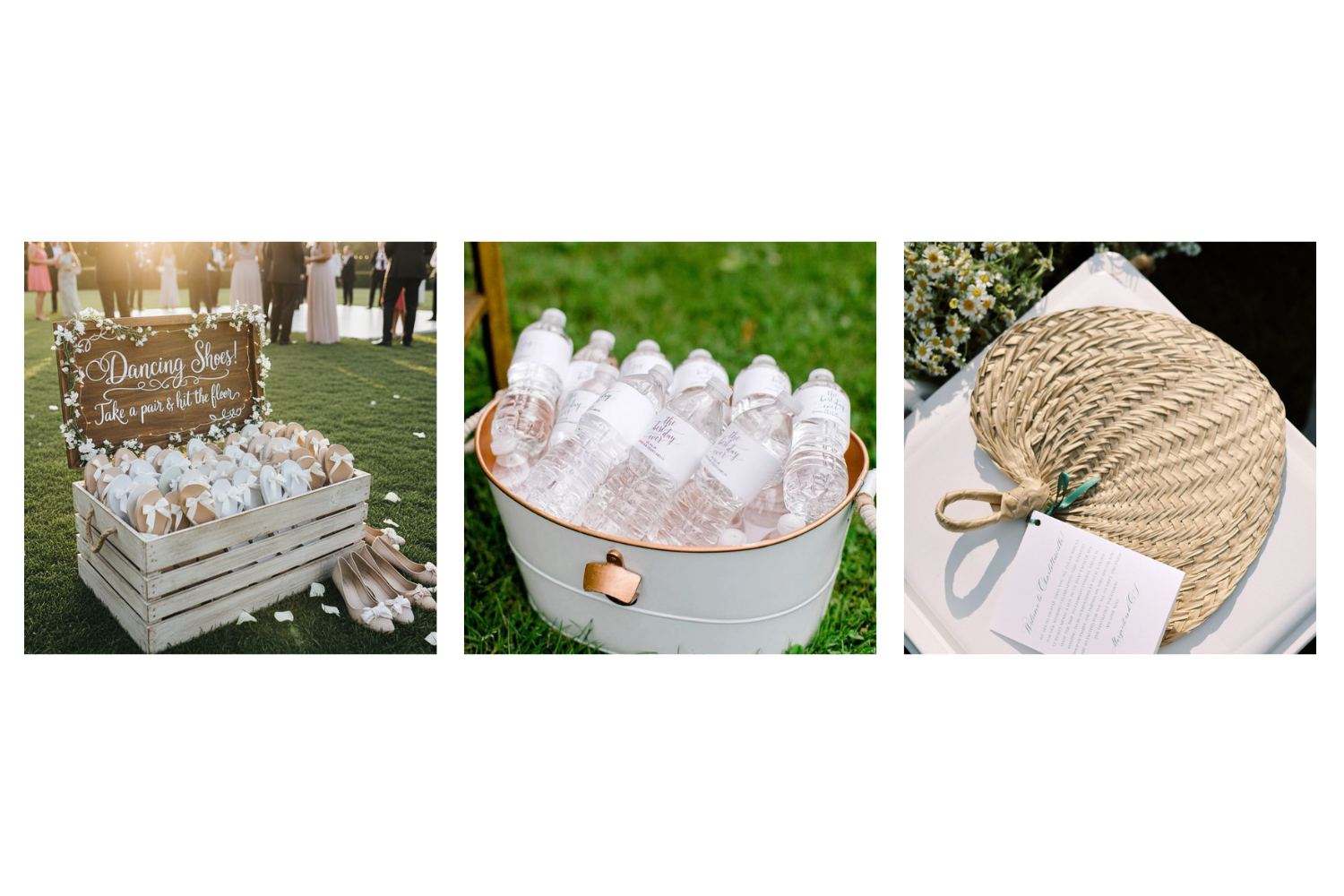
Hydration, fans, slippers, charging, restroom kits
Consider a simple comfort station checklist:
- Hydration: water station or bottled water availability
- Cooling: handheld fans (especially for warm transitions)
- Foot comfort: slippers or heel stoppers for outdoor areas
- Charging: a small charging area or power bank basket
- Restroom kits: tissues, mints, blotting paper, hair ties, band-aids
These are low-cost compared to décor upgrades and they create high guest satisfaction.
Kid corner + quiet corner (for overstimulated guests)
Not every guest wants to be in the loudest area all night.
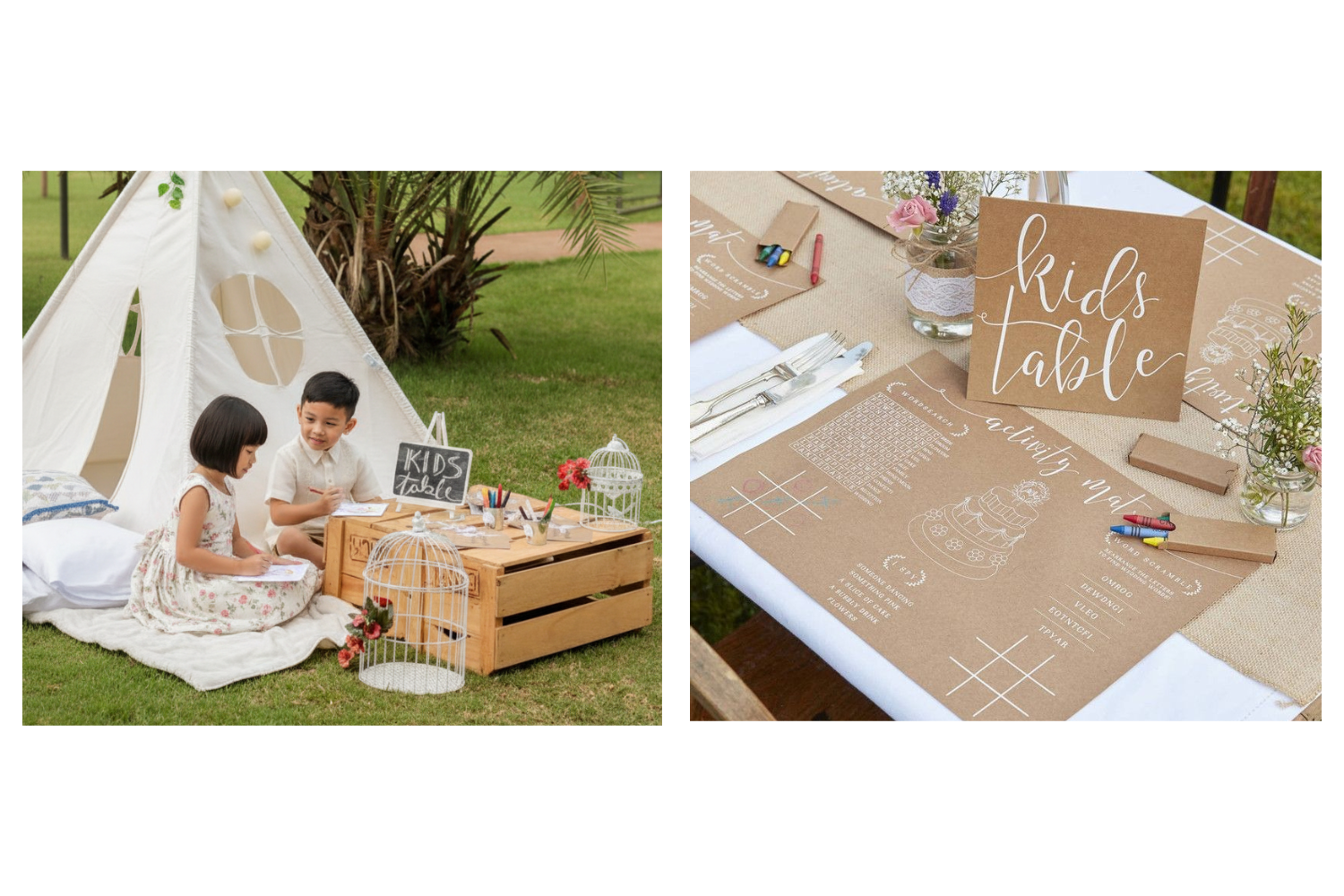
- Kid corner: activity kits, coloring, small snacks, and a safe seating area
- Quiet corner: a calmer space for seniors, pregnant guests, or anyone who needs a break
This is especially helpful for long events. A quiet corner prevents early departures.
The Send-Off & Departure Plan
The last 20 minutes shape the final impression. A smooth departure feels premium.
Transport coordination, last-call announcements, and exit photos
Plan departure like you planned arrival:
- Confirm pick-up points (cars, shuttles, Grab-friendly area)
- Assign a staff member to manage traffic flow at the exit
- Do a gentle last-call announcement (for drinks, photo booth, or final station)
- If you want an exit photo moment, keep it quick and well-lit
A great send-off doesn’t need fireworks. It needs clarity and comfort.
Quick Checklist + Sample Timeline Template
Use this as a fast planning tool.
Guest Experience Checklist (Quick Scan)
- Arrival
- Clear drop-off + parking guidance
Ushers assigned by zone - Signage at decision points
- Welcome drink/water available
- 15-second orientation script
- Ceremony
- Tested sightlines from back row
- Tested audio at real speaking volume
- Seating plan for seniors/kids near aisles/exits
- Cocktail Hour
- Food available quickly
- One intentional “activity” (station/photo/mini-moment)
- Layout prevents bar/buffet bottlenecks
- Reception
- Program pacing: short segments, spread out
- Food timing planned (no long seated waiting)
- Drinks/water easy to access
- Comfort
- Hydration + cooling options
- Restroom kit basics
- Charging option
- Kid corner and/or quiet corner
- Departure
- Clear pick-up point
- Exit flow managed
- Last-call announcement
- Quick, well-lit send-off photo plan
Sample Flow Timeline (Adjust to Your Program)
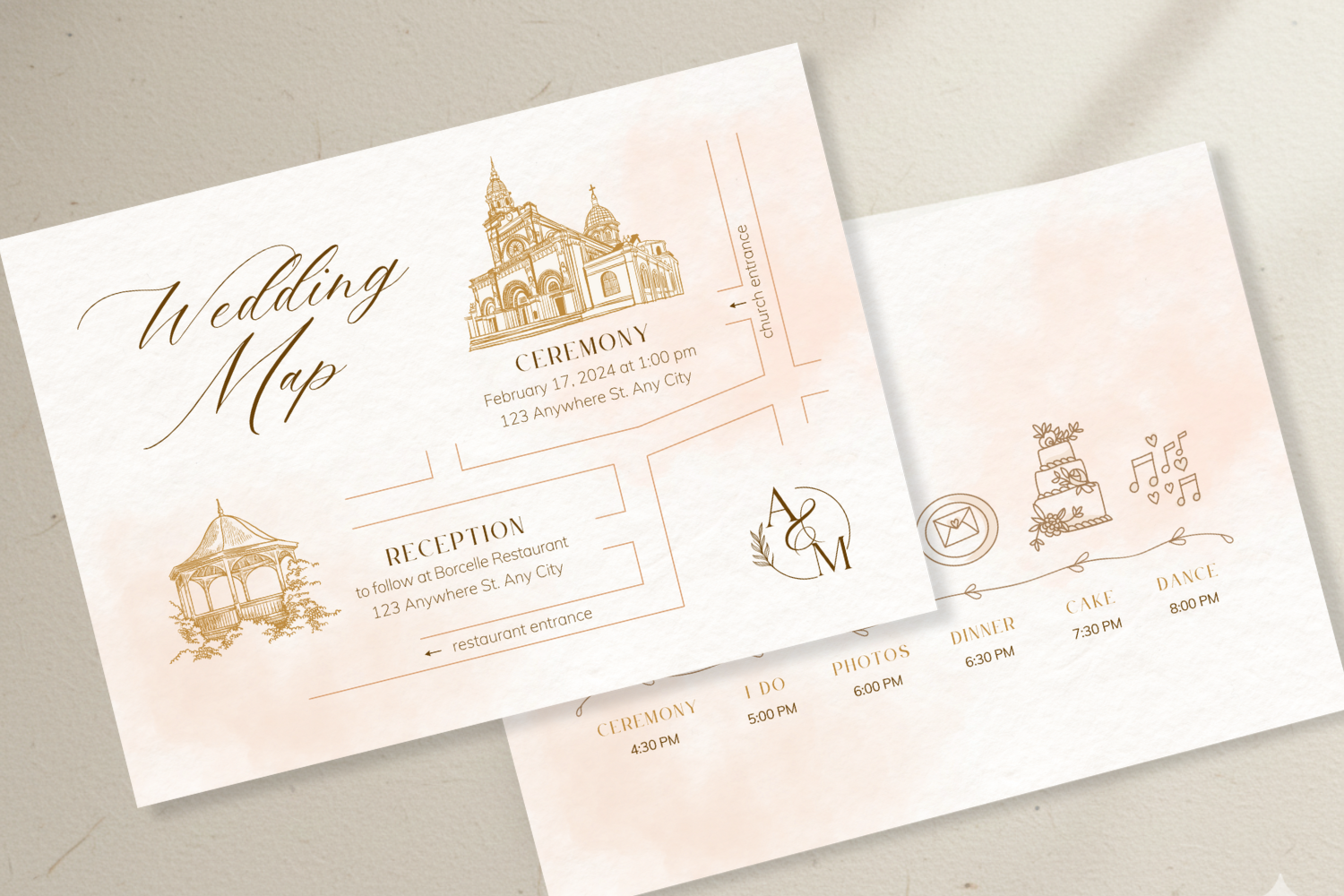
- 3:30 PM Guest arrival + welcome drinks + seating guidance
- 4:30 PM Ceremony starts
- 5:15 PM Ceremony ends + transition to cocktails
- 5:15–6:15 PM Cocktail hour (stations + light bites)
- 6:15 PM Reception doors open + guests seated
- 6:30 PM Couple grand entrance + first key moment
- 6:45 PM Dinner service begins
- 7:30 PM Program segments (short, spaced out)
- 8:30 PM Open dance / social time
- 9:45 PM Last-call announcement + final station/photo moment
- 10:00 PM Send-off + coordinated departure
If you want, I can tailor this checklist to your guest count and preferred flow and recommend a layout that minimizes lines and maximizes comfort.
Explore venues and amenities:
Request a quote / book a site tour, and ask about guest comfort add-ons (suites, cocktail stations, etc.).
#BrittanyPalazzo #BrittanyPalazzoWeddings #PalazzoEvents #PalazzoCouple #WeddingPlanningPH #ManilaWeddings #WeddingChecklist #GuestExperience #WeddingTimeline #EventPlanningTips